

Chandigarh: The Punjab and Haryana high court on Monday handed over an investigation into Enforcement Directorate (ED) letters detailing alleged top-level government corruption in Punjab directly to the Central Bureau of Investigation (CBI).
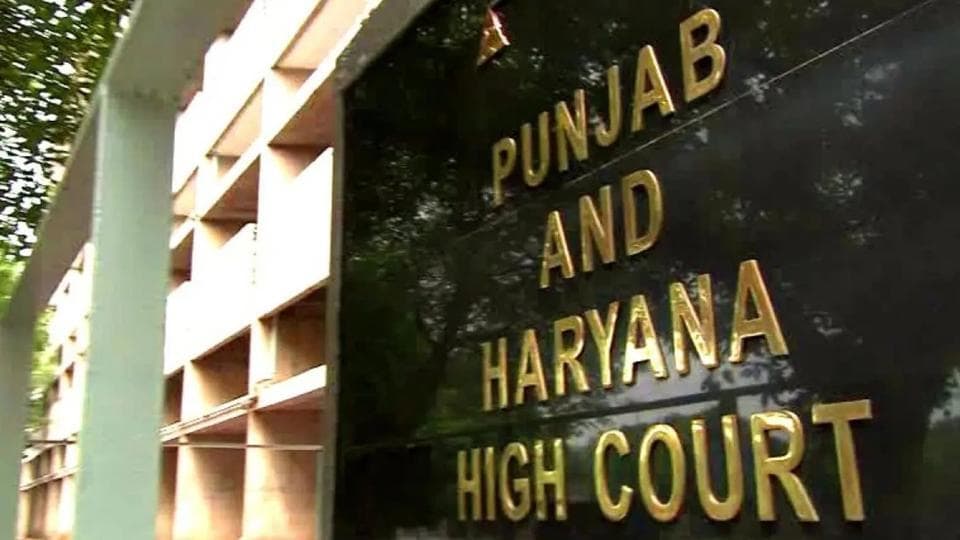
A division bench of chief justice Ashwani Kumar Mishra and justice Rohit Kapoor directed the CBI to register a criminal case and submit a status report within two months. The court further ordered the Punjab government and state police to render full cooperation and assistance to the central agency during the inquiry.
The order was passed on a public interest litigation (PIL) filed on August 27 by advocate Nikhil Saraf. Saraf sought an independent central probe after state authorities failed to act on three formal communications sent by the ED to Punjab director general of police (DGP) Gaurav Yadav between July 24 and August 12. The PIL alleged widespread corruption by senior state officials across multiple domains, including cash-for-transfers, policy manipulations, and tender allocations.
According to the ED’s letters—derived from material seized during an ongoing money-laundering investigation involving GMADA land allotments—a private individual named Nitin Gohal acted as an intermediary for Rajbir Singh Ghuman, the officer on special duty (OSD) to chief minister Bhagwant Mann. The ED alleged that Gohal, in collusion with Ghuman and other associates, including Bir Devinder and Jitin Gohal, operated an organised bribery network out of the chief minister’s office. The network allegedly collected crores in cash and real estate in exchange for influencing IAS/IPS postings, leaking confidential government files, facilitating arms licences, and clearing commercial projects. The state government had opposed the PIL, questioning its maintainability and the credentials of the petitioner. Appearing for the state, the advocate general argued that police were actively examining the matter and maintained that an FIR could not be registered without completing a preliminary inquiry, seeking a three-week extension on September 14 when judgment was reserved.
The ruling triggered immediate political fallout. Opposition leaders, including Punjab leader of opposition Partap Singh Bajwa, welcomed the court’s intervention and demanded an impartial, time-bound probe to hold powerful officials accountable.
Meanwhile, the ruling Aam Aadmi Party (AAP) accused the Union government of misusing central agencies like the ED to defame the state administration.
Case timeline
July 30, 2026: The Enforcement Directorate (ED) writes its initial letter to Punjab DGP Gaurav Yadav, outlining evidence of high-level corruption and cash-for-transfers uncovered during a money-laundering investigation.
August 12: After receiving no state action, the ED sends follow-up communications (three letters in all) requesting immediate FIR registration against the chief minister’s OSD, Rajbir Ghuman, and middleman Nitin Gohal.
August 17: Newspapers publish details of the ED letters, exposing allegations of bribery involving IAS/IPS transfers, document leaks, arms licences, and government tenders.
August 27: Advocate Nikhil Saraf files a public interest litigation (PIL) in the Punjab and Haryana high court seeking an independent CBI probe due to state police inaction.
September 14: The Punjab government opposes the PIL, arguing that police are examining the matter and asking for three weeks. The bench of chief justice Ashwani Kumar Mishra and justice Rohit Kapoor reserves its judgment.
October 5: The high court pronounces its judgment in open court, bypassing state authorities to hand over the probe directly to the CBI, giving the agency two months to submit its report.